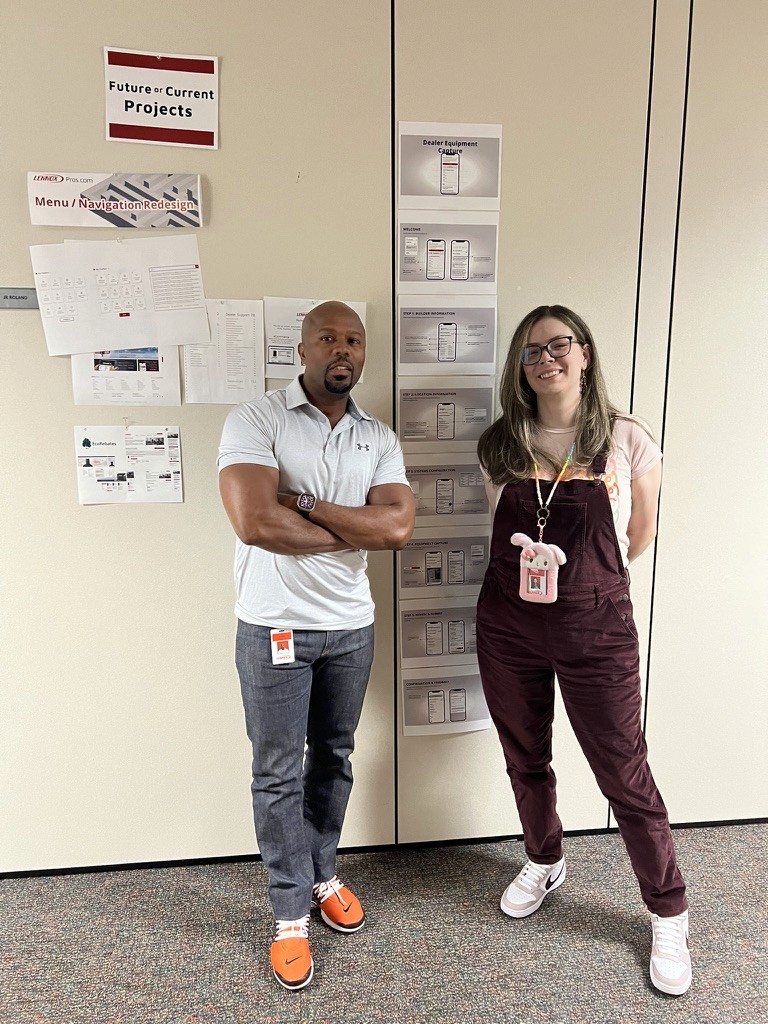

The project:
Overview
The project schematically:
Starting design
Appmap
It's a structured scheme that outlines the pages and content hierarchy of the website.
I developed an appmap for Lennox supporting the mobile scanning feature.
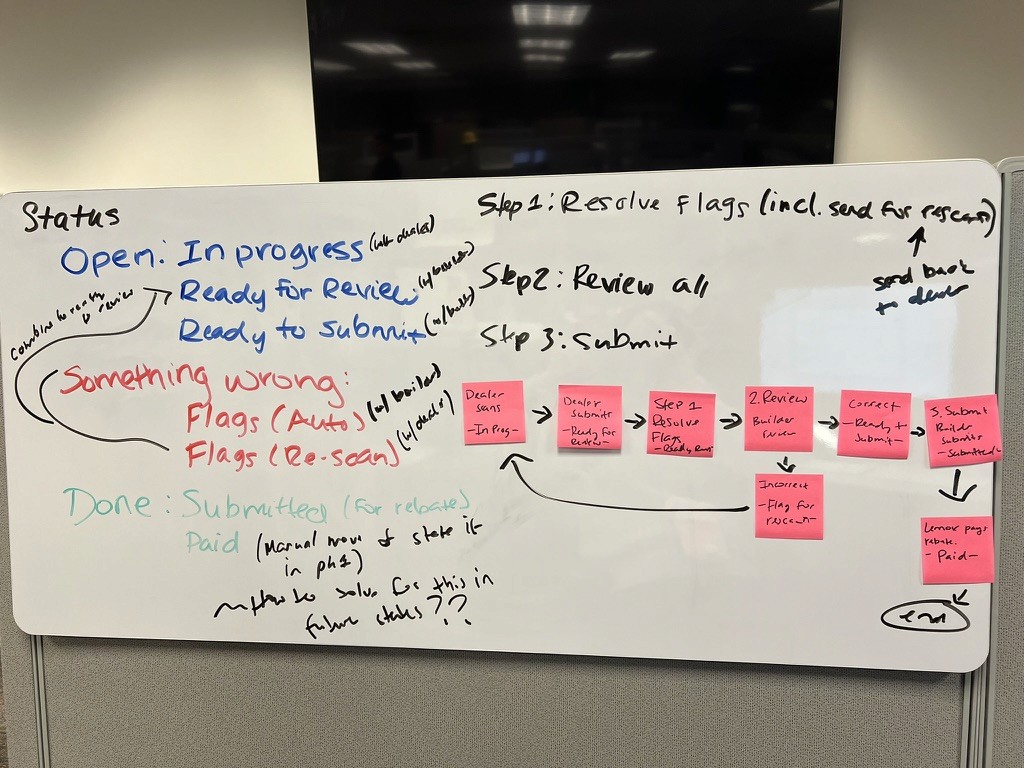
Paper wireframes
They initially oriented on the basic flow of the app.
Here I sketched two concepts of the app structure: the way the stakeholders wanted which would gate the process behind two yes or no questions and the way I recommended which was to capture that information at the end of the process.


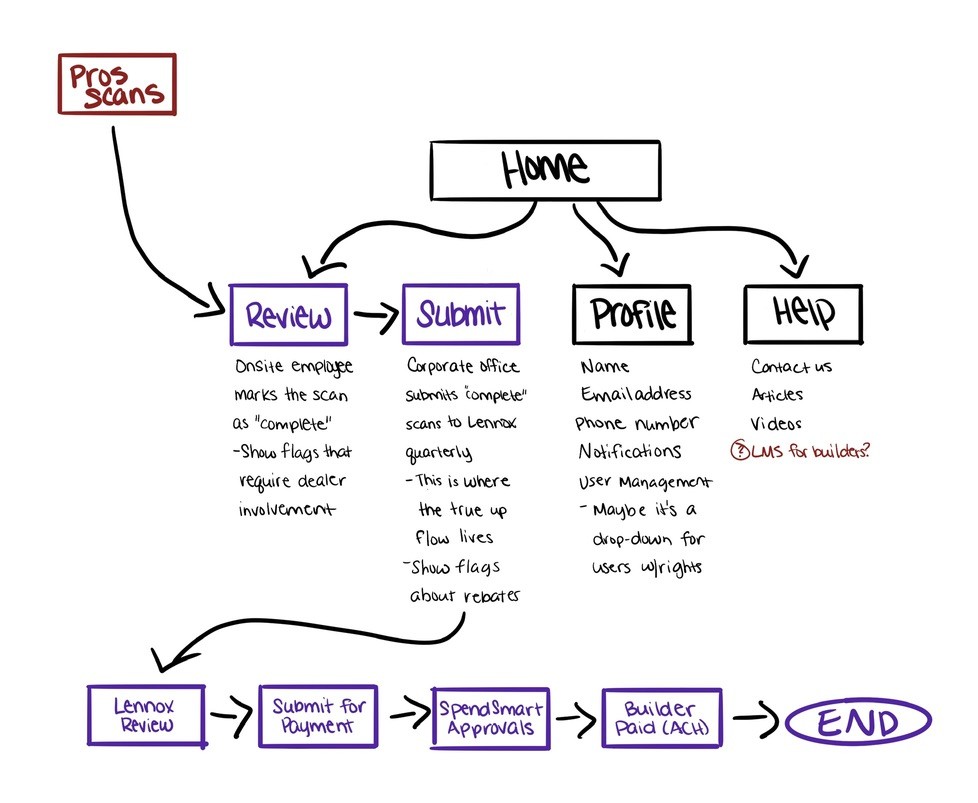
Sitemap
It's a structured scheme that outlines the pages and content hierarchy of the website.
Along with a sitemap supporting builders submitting rebates for processing by Lennox.
Paper wireframes
They initially oriented on the basic flow of the app.
I explored many layouts and options for the new builder portal, none of which were used in the final project. My goal was to design as many layouts as possible for the data-heavy interface.

All about the user:
User research
Pain Points
Information:
Participants highlighted fragmented workflows where critical equipment information was difficult to track between builders, dealers, and Lennox.
Payment delays:
The most pressing issue was significant payment delays, with users waiting up to 6 months for rebate processing while expecting 30-day cycles.
Dealer sophistication:
The research also exposed wide variations in dealership sophistication, from professional to "mom and pop" shops, creating inconsistencies in service quality.
User shrines


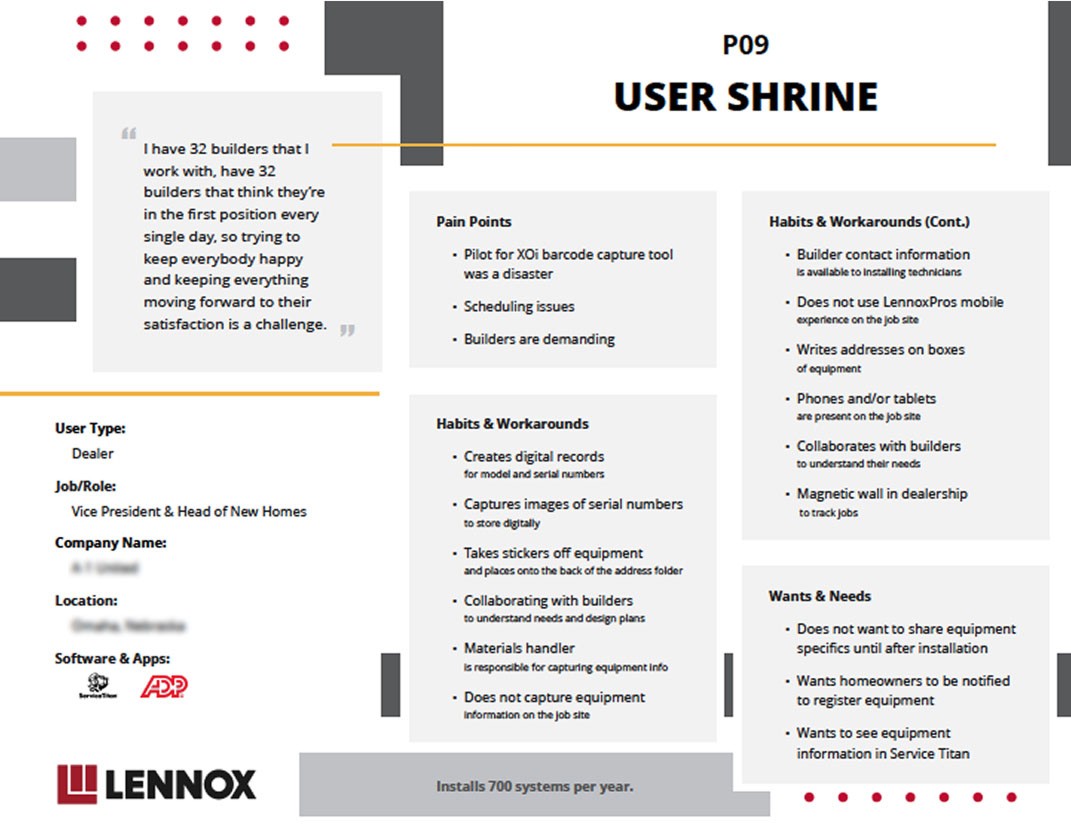
The clear version:
Refining design
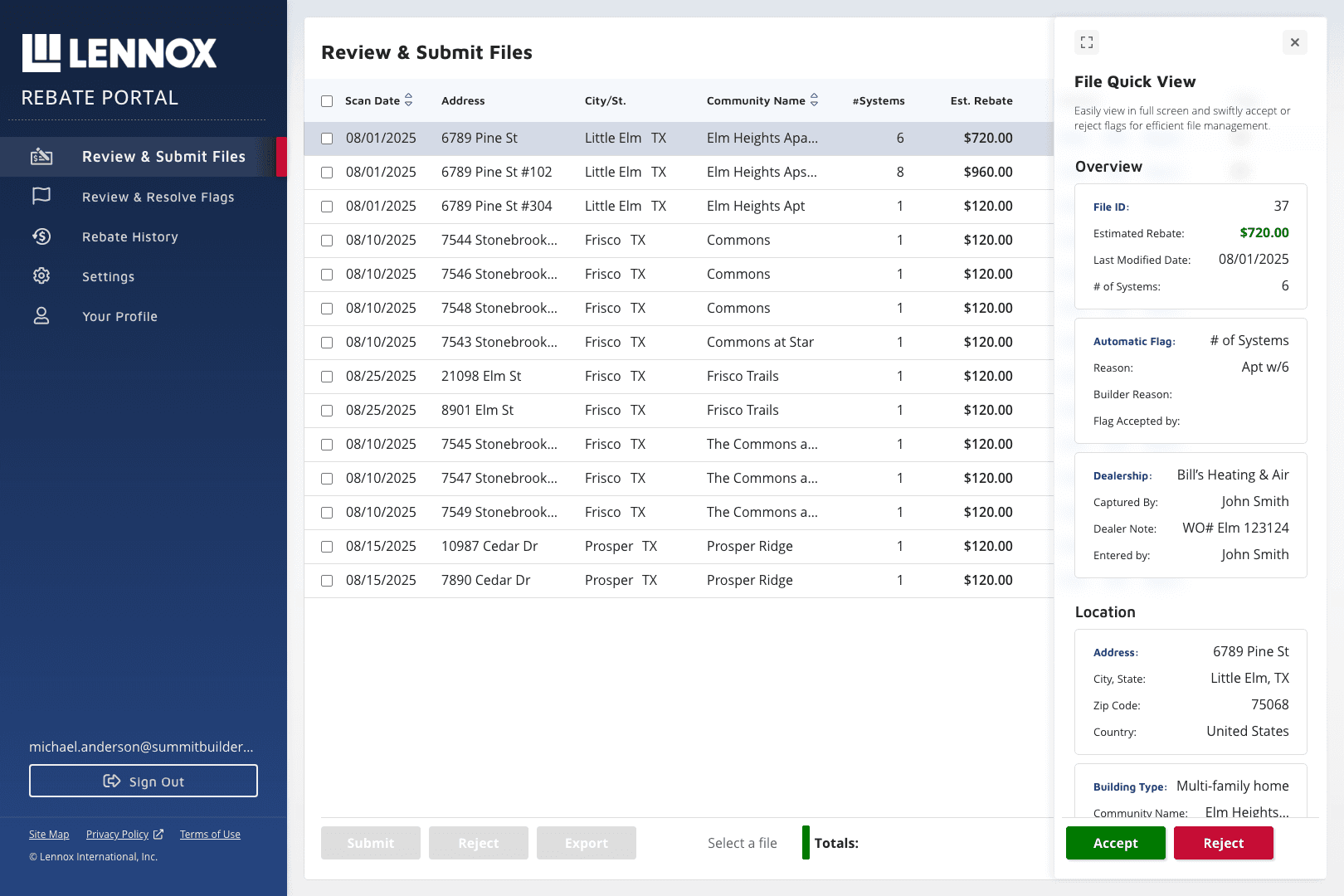
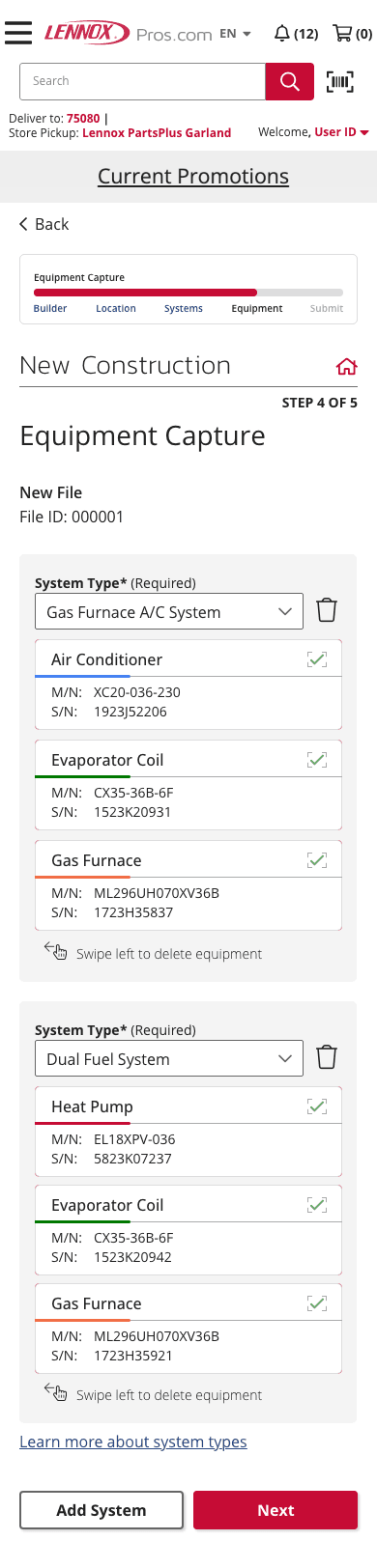
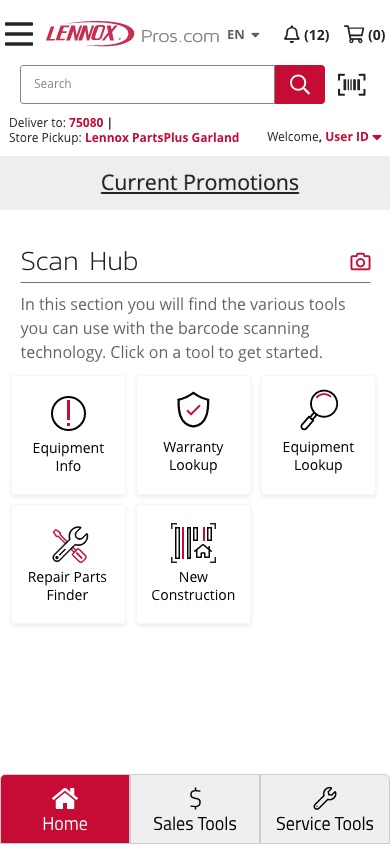
Mockups
These are high-fidelity designs that represent a final product
I created all the app and desktop mockups, incorporating the right design elements such as typography, color, and iconography. Also, I developed all the necessary components and needed elements.
The goal was to demonstrate the final LennoxPros scan app and Lennox Builder Portal in as much detail as possible.






High Fidelity Prototypes
It's the detailed, interactive version of designs that closely match the look and feel of the final product.
I turned my mockups into two prototypes that are ready for user testing, using gestures and motion, which can help enrich the experience and increase the usability of the app.
Looking forward:
Outcome
Now, finally, it remained to pay attention to the impact and several takeaways for future projects.
85% of users report improve rebate processing time
100% reduction of manual work by Lennox
83% reduction in processing time due to automation
62% adoption rate in beta testing
Impact:
Mobile-first design enabled strong on-site adoption, driving a 62% beta uptake, while automation removed manual bottlenecks, resulting in a 100% reduction in internal verification work and 83% faster processing.
What I learned: